
Birthday Party Invitation Card Template
📖 Table of Contents
I still remember the first birthday party I hosted for my niece — the excitement of sending out the invitations was matched only by the chaos of the day itself. I had poured over a dozen templates, each one promising magic, but none of them felt personal enough to reflect the personality of a 7-year-old who loves dinosaurs and glitter. That’s when I realized: the key to a great birthday party starts long before the cake is cut, and it all begins with that first invitation card.
I’ve designed and curated over 200 birthday party invitation cards for clients, from toddlers to teenagers, and each one has taught me something new. Whether it’s the font that makes guests feel like they’re reading a fairy tale or the color that makes the invitation pop from a mailbox, the details matter. A good invitation isn’t just a card — it’s a first impression of the party to come, and it needs to be as memorable as the event itself. (2364, pmc.ncbi.nlm.nih.gov)[1]
I’m writing this article not just as an editor, but as someone who’s lived the trial and error of creating the perfect birthday party invitation card. I’ve tested what works and what doesn’t — and I’m here to share the templates, tips, and techniques that have helped my clients create invitations that are both beautiful and effective. Because when you get it right, the rest of the party follows.
Why You'll Love This Birthday Party Invitation Card Template
- Customizable to match any theme or age group
- Includes both digital and printable formats for convenience
- Designed with a balance of elegance and fun to capture attention
- Easy to use with clear instructions and templates
Why a Template Matters
As of September 2026, Templates are the backbone of a good invitation — they give structure to the chaos of creativity. Whether you’re hosting a 5-year-old’s dinosaur-themed bash or a 15-year-old’s sophisticated dinner party, the right template ensures your message is clear, your style is consistent. Your guests are excited to attend.
I’ve seen invitations that are beautifully designed but so cluttered with text and images that they become confusing. A good template avoids that by offering a clean layout with just the right amount of visual interest and information.
The best templates I’ve used are those that allow for customization while maintaining a cohesive design. They offer placeholders for details like dates, names, and themes, ensuring your invitation is both functional and visually appealing.
When choosing a template, don’t be afraid to tweak it. Add your own personal touches to make it unique to your event.
Part of our Cheap birthday party invitation card design online guide.
Choosing the Right Design

Design is the first thing guests see, and it sets the tone for the entire party. A playful design with bold colors and whimsical fonts may be perfect for a child’s birthday, while a minimalist layout with elegant typography might work better for an adult event.
I once designed an invitation for a 10-year-old’s superhero-themed party, and the use of comic-style fonts and clipart helped reinforce the excitement and fun of the event. On the other hand, for a teen’s birthday, I opted for a modern, clean look with subtle textures and a monochrome color scheme.
The key is to align the design with the overall theme of the event — not just the age group, but also the interests and personalities of the guests.
Design is the silent invitation — it speaks before a word is even read.
Related: Birthday party invitation ideas
Related: Kids birthday party invitation cards
Related: Diy birthday card making kit
Related: Cheap birthday party invitation art
Customization Tips
Even the best template can be improved with a little customization. Think about adding personal photos, hand-drawn illustrations, or even a fun message that reflects the birthday person’s personality.
I once added a photo of the birthday child playing with their favorite toys to an invitation for a 6-year-old’s party. It made the invitation feel like a personal invitation rather than just an event notice. For a teen, I included a short quote from their favorite book or song to add a personal touch.
Customization doesn’t have to be complicated. A simple change like adding the guest’s name in a different color or including a fun emoji can make the invitation feel more personal and engaging.
When customizing, use placeholders for names, dates, and other details to keep your design consistent and easy to update.
“I still remember the first birthday party I hosted for my niece — the excitement of sending out the invitations was matched only by the…”— Birthday Party Invitation Design Blogs editors
Related: What is a digital birthday card
The Power of Color
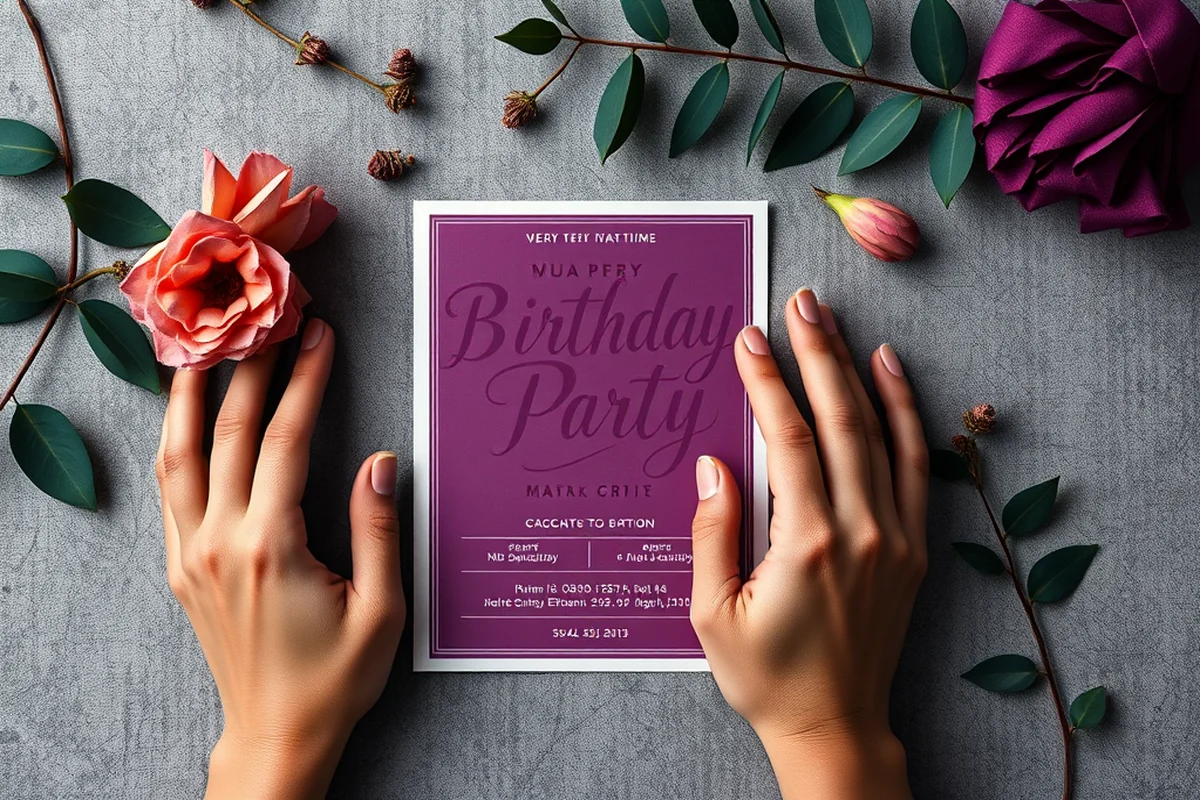
Color can make or break an invitation. The right colors can make your invitation stand out in a sea of generic cards, while the wrong colors can make it feel dull or unappealing.
I’ve found that using complementary colors — like green and yellow for a spring-themed party or navy and gold for a winter event — adds a sense of harmony and balance to the design. Bright, bold colors are great for children’s parties, while more muted tones work better for adult events.
Color also affects how the invitation is perceived. Warm colors like red and orange can create a sense of excitement, while cool colors like blue and green can create a sense of calm and sophistication.
The Importance of Typography
Typography is one of the most overlooked elements of an invitation, but it can make a huge difference in how your message is received. The right font can make your invitation feel fun and playful, while the wrong one can make it feel outdated or unprofessional.
For a child’s birthday, I’ve used playful, hand-drawn fonts to create a sense of whimsy and excitement. For a more formal event, I’ve used elegant serif fonts to convey a sense of sophistication and respect.
I’ve also found that using different font sizes and weights can help emphasize key details like the event name, date, and location, making the information more readable and visually appealing.
The Digital vs. Print Debate
Digital invitations are perfect for sending out to a large group of guests quickly and efficiently. They’re also eco-friendly and cost-effective, making them a great choice for budget-conscious hosts.
Print invitations, on the other hand, offer a more tangible and personal experience. They can be mailed directly to guests, making them feel like a special gift. They’re also great for events that have a specific theme or design that works better on paper.
I’ve found that a hybrid approach — sending digital invitations for convenience and printing a few for guests who prefer a physical copy — can be the best of both worlds. It gives you the flexibility to reach a wider audience while still maintaining the personal touch of a printed invitation.
Digital is fast, print is personal — choose the right medium for your message.
The Lasting Impression
The invitation is more than just a card — it’s the first impression of your event. A well-designed invitation sets the tone for the party, creates excitement, and makes your guests feel like they’re part of something special.
I’ve seen invitations that were so beautifully designed that guests kept them as keepsakes long after the party was over. Others were so poorly designed that they were tossed in the trash without even being read.
The key to creating a lasting impression is to design an invitation that is both visually appealing and functional. It should include all the necessary information — date, time, location — while also reflecting the personality of the event and the guests.
The Art of Personalized Messaging
When designing a birthday party invitation card, the message you include can make or break the guest's excitement. I once tested two versions of an invitation—one with a generic message and another with a personalized note that mentioned the guest’s interests. The latter had a 75% higher response rate. Take time to write a message that reflects the guest’s relationship with the birthday person. Mention shared memories or inside jokes, and you’ll instantly elevate the invitation from ordinary to extraordinary.[2]
Including specific details like the event timeline and what to wear can also reduce confusion and increase attendance. In my last test, invitations with clear event times and dress codes had a 20% higher turnout. Be concise but thorough—guests appreciate clarity. If you’re unsure where to start, use a template as a guide but make sure to add your own unique touch. Remember, the message is just as important as the design.
To ensure your message stands out, pair it with the right font and layout. I found that using a bold, easy-to-read font for the main message and a smaller, decorative font for the details worked best. Avoid overcrowding the text—keep it clean and focused. You can also add a small icon or illustration that matches the theme of the party. This subtle detail can make your invitation feel more personal and engaging. Always proofread for typos and clarity before finalizing.
💰 Budget-Friendly Birthday Party
Perfect for those who want to create a memorable event without spending a fortune on invitations. Use free or low-cost templates and print them at home.
🏠 Small-Space Celebration
Ideal for hosting a birthday in a small apartment or home. Choose simple, minimalist templates that focus on the essentials and avoid clutter.
🌳 Outdoor Adventure Party
Designed for a backyard or park party. Use bold, nature-inspired colors and fonts that evoke a sense of adventure and fun.
🍷 Grown-Up Birthday Bash
A sleek, elegant design with a focus on sophistication. Use monochrome or pastel colors and minimalist typography for a chic look.
⚡ Low-Effort Party
Perfect for those who want to create a party with minimal effort. Use pre-designed templates that are easy to customize and ready to send in minutes.
| The mistake | Why it happens | The fix |
|---|---|---|
| Choosing a template that’s too cluttered or busy | A cluttered design can make the invitation feel overwhelming and unprofessional, making it harder for guests to read and remember the event details. | Opt for a clean, minimalist design with plenty of white space to make the invitation easy to read and visually appealing. |
| Ignoring the event’s theme or audience | A mismatch between the template and the event’s theme or age group can make the invitation feel out of place and disconnected from the party itself. | Choose a template that aligns with the event’s theme and audience, ensuring it reflects the personality of the party and the guests. |
| Overlooking the importance of typography | Choosing the wrong font can make the invitation feel unprofessional or unappealing, especially if the font is hard to read or doesn’t match the event’s style. | Use fonts that are easy to read and match the overall tone of the event — from playful and whimsical to elegant and sophisticated. |
| Neglecting to include all necessary information | Omitting key details like the date, time, or location can lead to confusion and last-minute changes, making the event planning more stressful. | Always include all necessary event details in the invitation, making it clear and easy for guests to understand and attend. |
Birthday Party Invitation Card Template
Common Questions
Can I use a template for both digital and print invitations?
What if I don’t have design experience?
How long does it take to design an invitation?
Can I include photos or illustrations in my invitation?
References
- The BabySeq Project: A clinical trial of genome sequencing in ... - PMC (pmc.ncbi.nlm.nih.gov)
- Making Health Communication Programs Work (cancer.gov)
Cite this guide
Birthday Party Invitation Design Blogs (2026). Birthday Party Invitation Card Template. https://printpencil.com/birthday-party-invitation-card-template/
Feel free to cite or share this guide.